
Perfecting Your Smile at Home
All our lives, we have been told we need to brush and floss. The why is pretty straight forward; to prevent cavities, to keep our gums clean and healthy, prevent bad breath, and to maintain our smiles!
And it should be easy, right? Brush, floss, rinse, repeat. What most people don’t know is that a lot of factors go into keeping up with homecare and getting the most out of the work you put in.
Things like what type of toothbrush you own, the floss you use, the time of day you do it, even the order your routine is completed can all contribute to how much you actually benefit from each step.
At Fairmount Dental Center, we put a lot of emphasis on preventive care. The more work you put in at home, the less time you have to spend time with us! We want our patients to take the tools and tips we provide so everyone can achieve their best cleaning all year long, not just when they come in to see us.
Below, you will find some recommendations for your hygiene routine, advice for different tools, and reasoning behind these steps. Your oral health plays a huge role in your overall health and we want your dental homecare routine to be the easiest step in taking care of the full picture of you.
Oral Hygiene Homecare Tips
〰️
Oral Hygiene Homecare Tips 〰️
Toothbrush
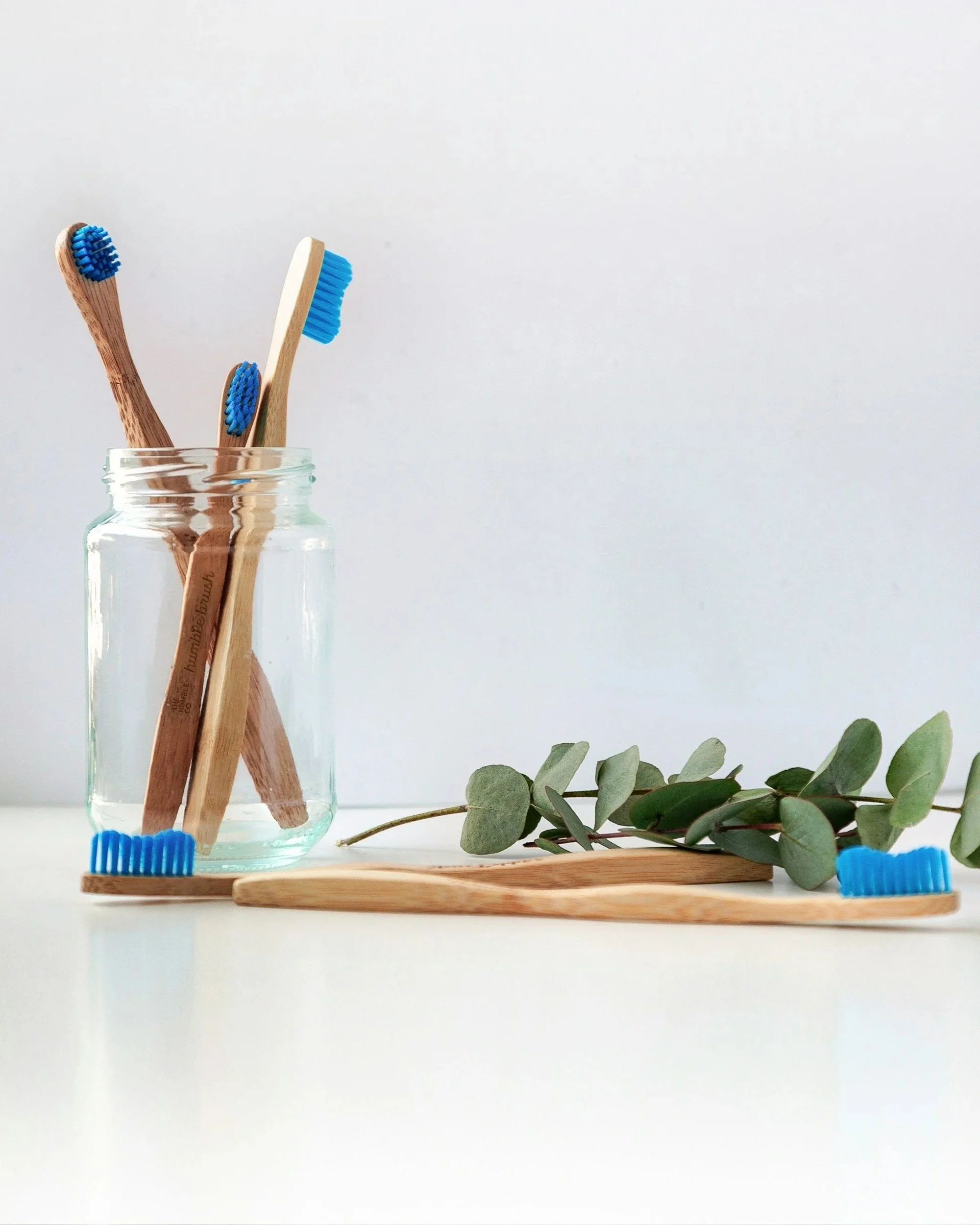
A rechargeable electric toothbrush will always be better for you than a manual toothbrush. With an electric toothbrush, it’s easier to clean the hard to reach spaces such as the cheek side of your top back teeth or the tongue side of your bottom front teeth. Rather than making the brushing motion yourself, an electric toothbrush does the brushing for you while you hold it in place.
If you find it difficult to reach the very back of your top teeth, try shifting your lower jaw towards the direction you’re working on, it may give you enough space to get your brush back there.
When brushing, make sure you brush along your gum line as well. It’s important to brush not just the top and sides of your teeth but your gums. Use light to medium pressure in those areas to avoid hurting your gums.
Since you still want to replace your toothbrush head every 3-6 months, a rechargeable model will be the most cost effective choice. Our office prefers Oral-B spin brushes and SonicCare toothbrushes due to the size, ease of use, and they can keep track of how long you’re brushing so you get the full 2 minutes recommended. These are frequently on sale at Costco!
Floss
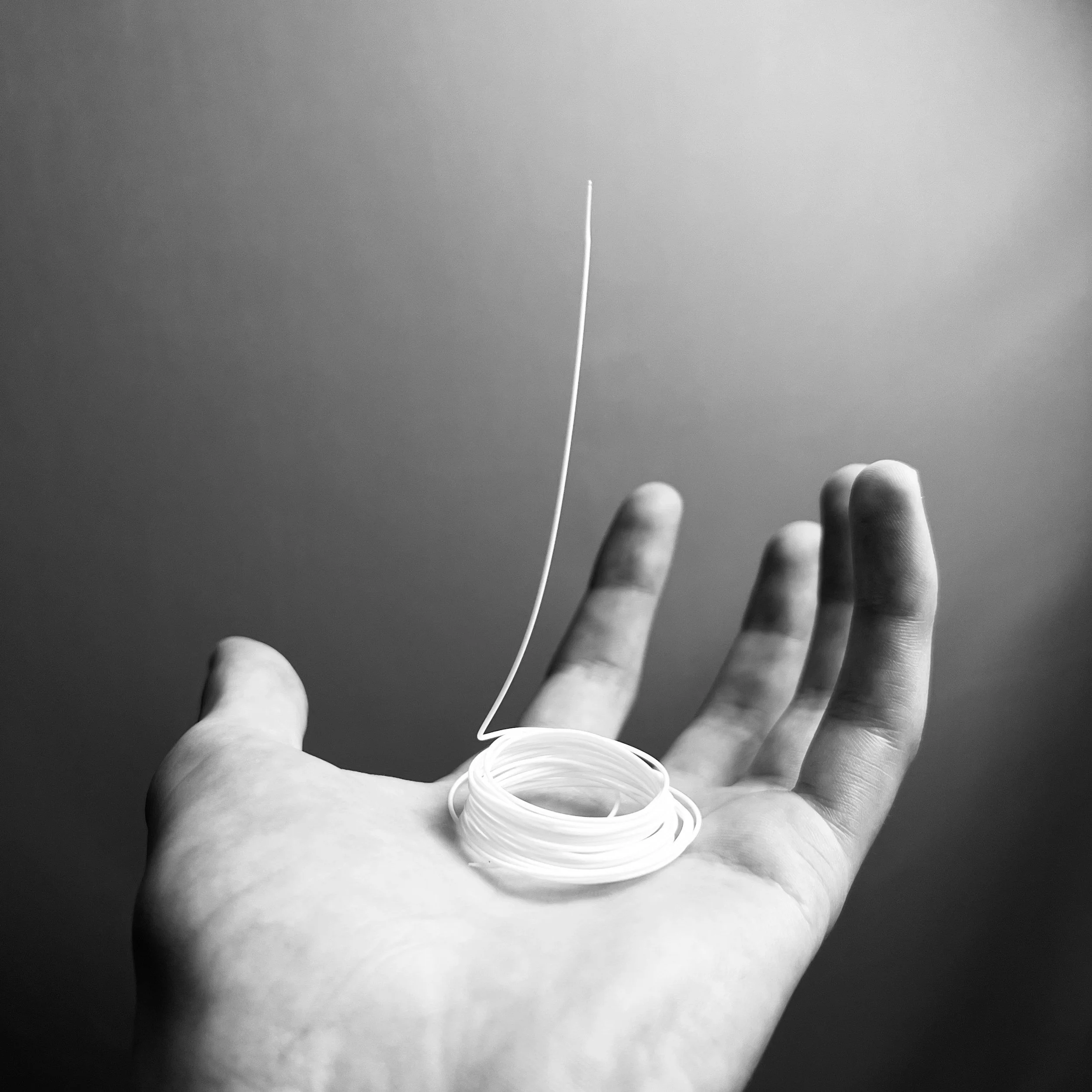
Any floss is better than no floss, but nothing can beat classic string floss. U-shaped flossers are okay for getting things out between your teeth, but regular string floss works better at hugging around your teeth without hurting your gums. You want to have enough tension that the floss can go between your teeth, but not enough that you’re cutting yourself. Once the floss is between your teeth, gently hug around each tooth down to the gums. The purpose is not to push the floss so hard you bleed, just enough to hug around your gums. Even if your teeth don’t touch and it’s an open space, you can still floss around the tooth. Your toothbrush most likely isn’t able to reach that area, so floss is the best way to keep it clean.
Waterpiks are also advertised as a replacement to floss but they should be something you use in addition to it, not instead of. Again, nothing will replace the clean you get from classic string floss.
Toothpaste
It should come as no surprise that the type of toothpaste you use plays a big part in the overall health of your tooth.
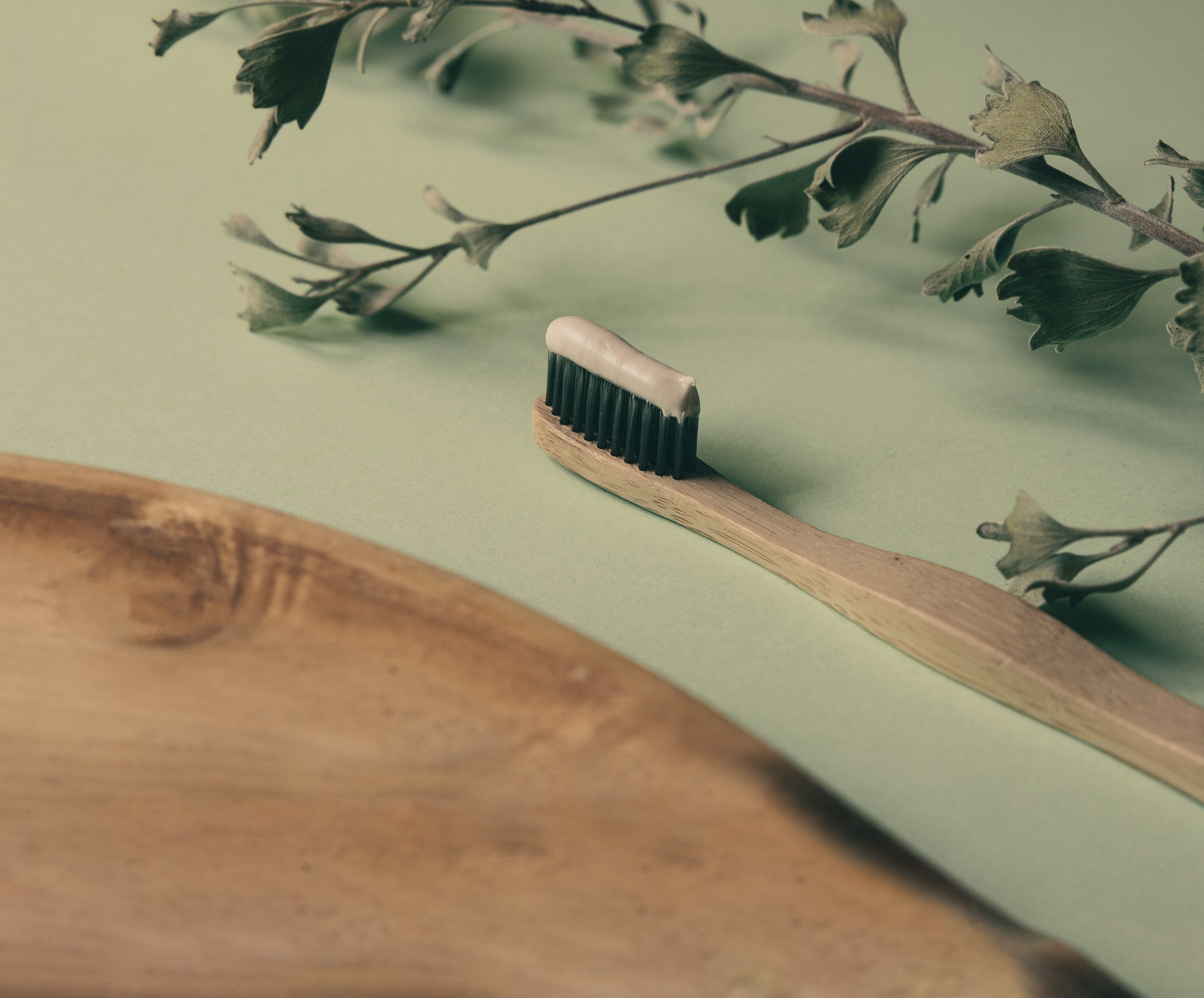
Whether you prefer gel or paste, mint or strawberry, the most important factor is that it contains fluoride as a main ingredient.
Fluoride is a natural occurring mineral and is used to strengthen your teeth and rebuild enamel in a process called remineralization. Fluoride use is the easiest ways you can care for your teeth as most toothpastes sold in stores contain a safe and regulated level of fluoride.
Prescription strength fluoride toothpaste may also be recommended and in some cases can even be covered by your medical insurance. This additional fluoride usage is necessary for patient’s with a lot of demineralization, decalcification, dry mouth, or less frequent dental homecare.
When dealing with sensitivity, look for a fluoride toothpaste with the additional ingredient of potassium nitrate which is another naturally occurring mineral that is used to fight sensitivity especially to sweets and temperature changes.
Our office offers a variety of different flavors and types of toothpaste to choose from including samples of the latest Crest Products, Sensodyne Pro-Enamel, and Prevident prescription strength fluoride toothpaste.
Fluoride Mouth Rinse
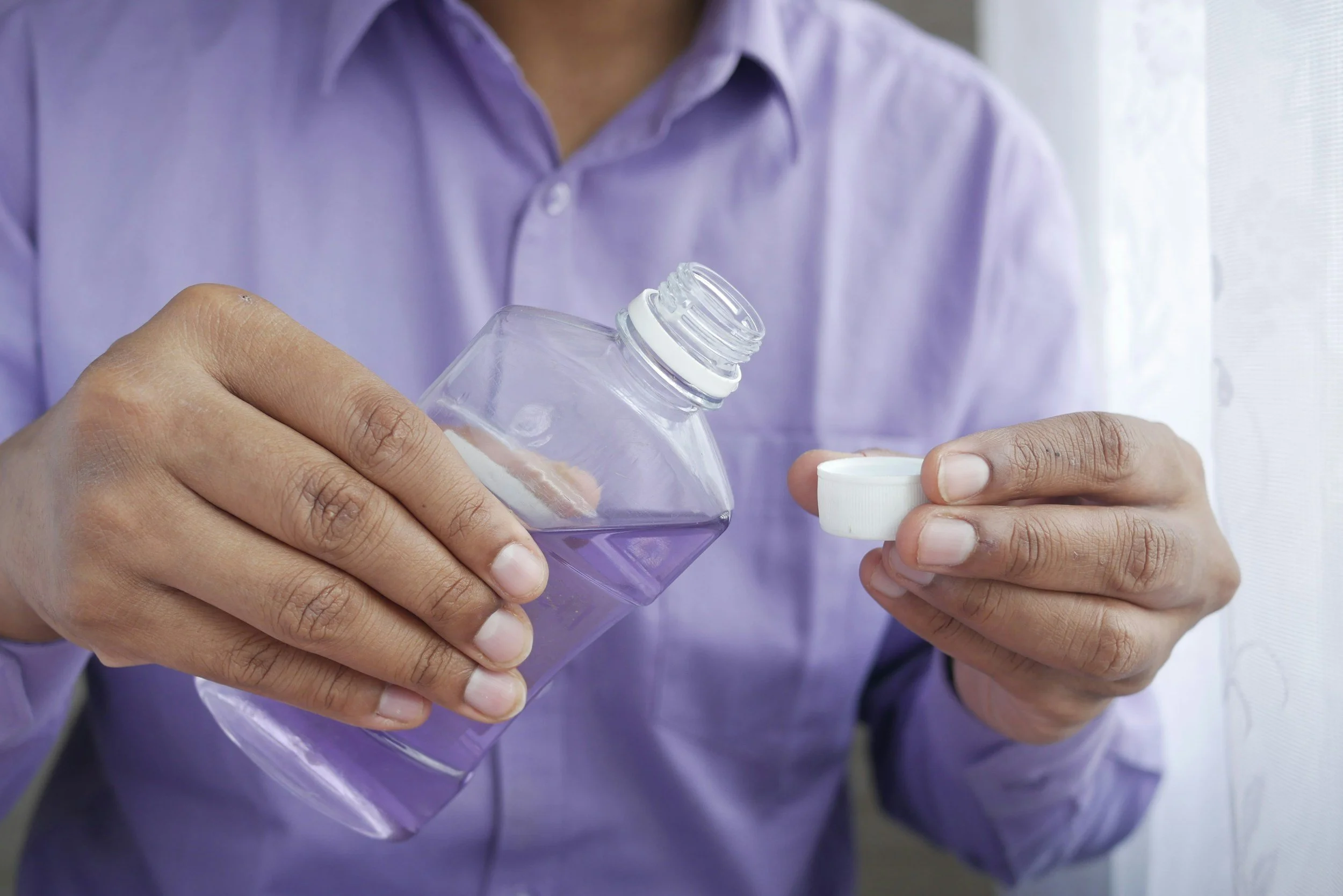
In addition to fluoride toothpaste, a fluoride mouth rinse can be added to your routine to add additional fluoride to your steps. Be careful with brands that say “antiseptic mouth rinse” or that claim to fight bad breath as they are usually fluoride free. You want one that contains no alcohol and that has fluoride as its first active ingredient.
ACT is the brand we recommend and is usually the easiest to find as a fluoride rinse, though Crest and Listerine both offer alcohol free/with fluoride, but can be harder to find.
If you need a travel size bottle, ask for one after your next cleaning!
A Good Nighttime Routine
It’s important to know that while all of these items are useful in maintaining good homecare, the order in which you accomplish them also plays a big part in how much benefit you’re getting out of it.
When we use fluoride products, we want that fluoride to stay on our teeth for as long as we can. If we brush, spit and then rinse with water, we’re washing away all of that fluoride we just added. Something you can do differently is just spitting out your toothpaste and leaving it like that. You also have the option of rinsing with a fluoride mouth rinse if you absolutely have to rinse.
But what about flossing, where does that fit in?
Sometimes it’s hard to want to floss at the end of the night. You want to brush and go to bed, flossing can wait for the morning. But when we don’t floss at least at night, everything we’ve eaten all day is just going to sit between our teeth while we sleep.
If we snore, have dry mouth, or we don’t use fluoride regularly, those areas that don’t get flossed are going to get cavities and our gums are going to get really irritated.
It’s hard building new habits but a good trick is making floss your very first step in your routine. Tell yourself you can’t brush until you’ve flossed. Even if you’re tired, it’s easier to get it done when it’s the very first thing you do. You can also consider that when you floss and you’re cleaning between your teeth, that fluoride toothpaste or rinse can now get to even more spaces.
After that, you can swish with mouth rinse or just brush your teeth and go to bed.
Suggested routines::
Floss 2. Fluoride Mouthrinse 3. Brush & spit
Floss 2. Brush & spit 3. Fluoride Mouthrinse
Starting Your Morning Right
The morning can vary from person to person depending on what the start of your day looks like. Some people like to brush right before they leave the house, others do it when they’re getting ready or as they first wake up.
The deciding factor should be based around when are you going to eat.
If breakfast is the very first thing you do before getting ready, have breakfast and then brush your teeth about 30 minutes afterwards.
If you wait a little before eating, try brushing as you’re waking up and before breakfast.
If your first step is coffee, tea, or an energy drink, wait at least 30 minutes after you finish before brushing your teeth. When we drink acidic things like coffee, the pH value of our saliva changes and the acidity can soften the outer layer of the tooth. If we brush too soon, we could be brushing off valuable tooth structure we had just strengthened with fluoride. Waiting 30 minutes after finishing a beverage allows our saliva time to balance back to normal. If you’re worried about coffee breath, try sugar-free or xylitol gum or mints.
Try to limit snacking or drinking sugary beverages throughout the day as well. Give your mouth time to go back to normal again between meals as it will limit the sugars and acids in your saliva that bacteria like for forming cavities.